Q&A with Warren the 13th Creators Will Staehle and Tania del Rio

Warren is an unusual protagonist: squat with bulging eyes, he doesn’t make the cutest first impression. He’s the homely heir to a family hotel in a forest full of witches, talking trees, and other fantastical beasts. But what he lacks in looks Warren makes up for in charm and wit, much to the delight of his devoted fanbase. Warren the 13th and the All-Seeing Eye landed on bookshelves in 2015 to great acclaim, and readers have been chomping at the bit for the next installment. The wait is almost over:  Warren the 13th and the Whispering Woods (Quirk Books, $16.95, 240 pages, ages 11 and up) goes on on sale March 21.

Warren creators Tania del Rio and Will Staehle are bewitching readers and shaking up the children’s picture-book world by blurring the lines between comics and traditional storytelling.

Del Rio is a comic illustrator at heart: her work has appeared in the Archie series, Sabrina the Teenage Witch, Marvel comics, and manga. While pursuing her BFA at the Minneapolis College of Art and Design, del Rio met Staehle, also an art student there, and they remained friends after graduation. Staehle is considered by many critics to be one of the most exciting young illustrators today, and his work has graced The New York Times and bestselling book covers.

Del Rio and Staehle kindly answered a few questions via e-mail in late January about working with friends, early influences, and why middle-schools are forever pulled towards the macabre. (Make it all the way to the end for how kids can contact del Rio with their own questions!)

1. Warren seems to be follow the Lemony Snicket genre, that is, geared to middle-grade readers and appealing to the quirky, slightly macabre sensibilities of the tween set. How did you come up with the idea for this series? 

Tania: Will is probably better suited to answer this question as he originally created the character of Warren back when we both attended the Minneapolis College of Art and Design over 13 years ago. Even back then, the character ignited my imagination, and I began writing an early novel based on Warren and his hotel, and revisited it over the years. A lot has changed plot-wise since the earliest draft, but the creepy Victorian vibe, and the mysterious riddles have been there from the beginning.

Will: As Tania mentioned above, I created Warren during art school many years ago. This was before A series of Unfortunate Events burst onto the scene, so at the time Warren was inspired more by Edward Gorey and Victorian dime novels of yesteryear. Add to that a touch of Poe, some Jules Verne, and healthy dose of Tim Burton, and you have Warren the 13th!

2. Tania, how did you make the leap from cartooning (Archie, Sabrina, Manga, My Poorly Drawn Life) to Warren?  

Tania: Even while I was drawing comics, I was also writing them, so it wasn’t actually much of a leap at all to write a middle grade novel. This age group has always been my favorite audience to write for, and I enjoyed having more space to expand on my story using prose as opposed to being confined to speech balloons. I let Will focus on the art and I focused on the writing.

3. What was the collaborative process like? 

Tania: We’ve been creative collaborators for many years, and so we’ve formed a really comfortable working relationship with a lot of brainstorming over the phone, and sending ideas back and forth throughout the entire process. Luckily, we both see eye-to-eye on many things, and have a similar aesthetic and sense of humor.

Will: It’s pretty seamless at this point, we tend to fight about the small stuff more than anything–new character’s names, neighboring towns, etc. But more often than not things run pretty smoothly.

4. Tell me why you went with the two-column layout.

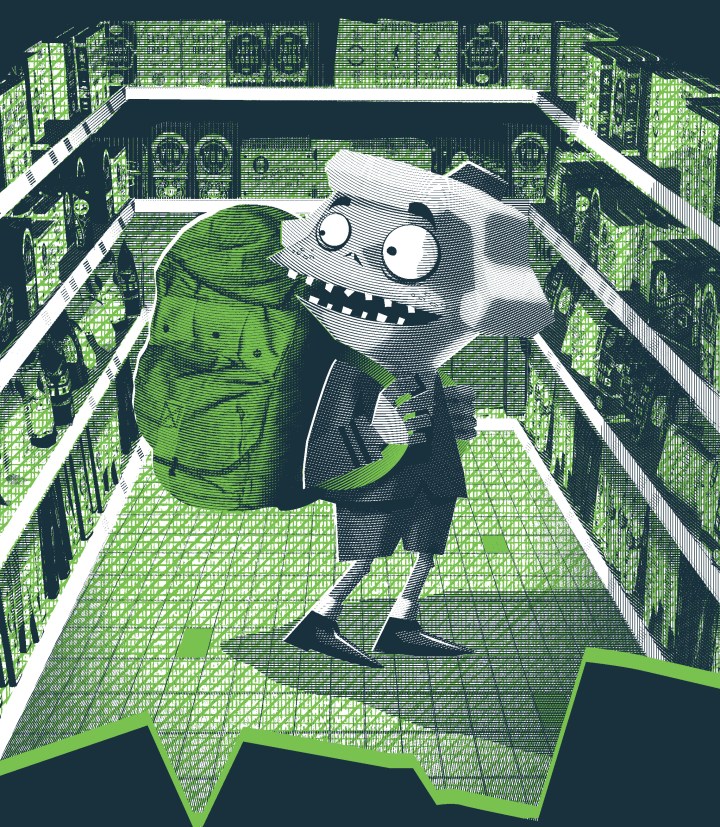
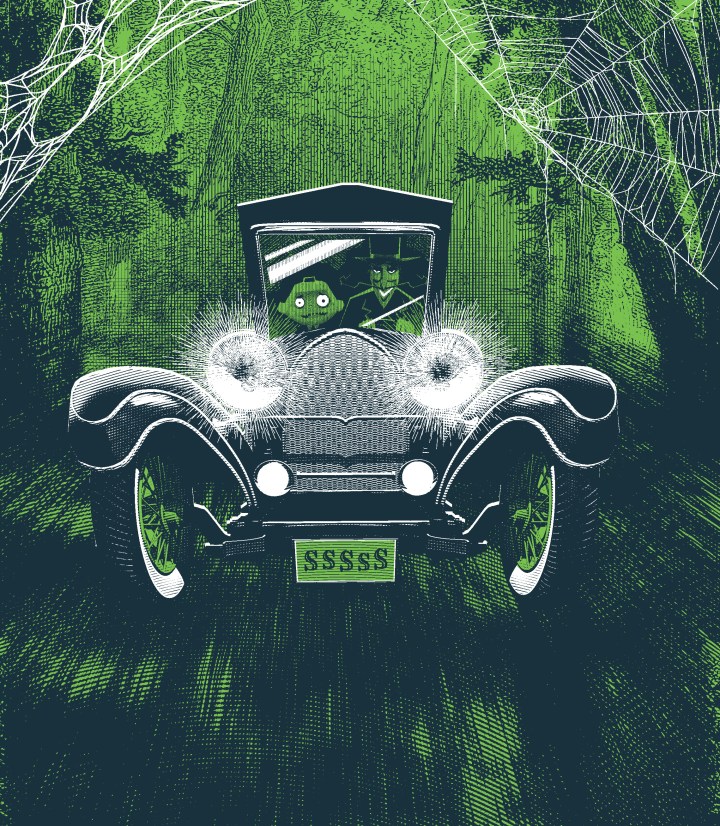
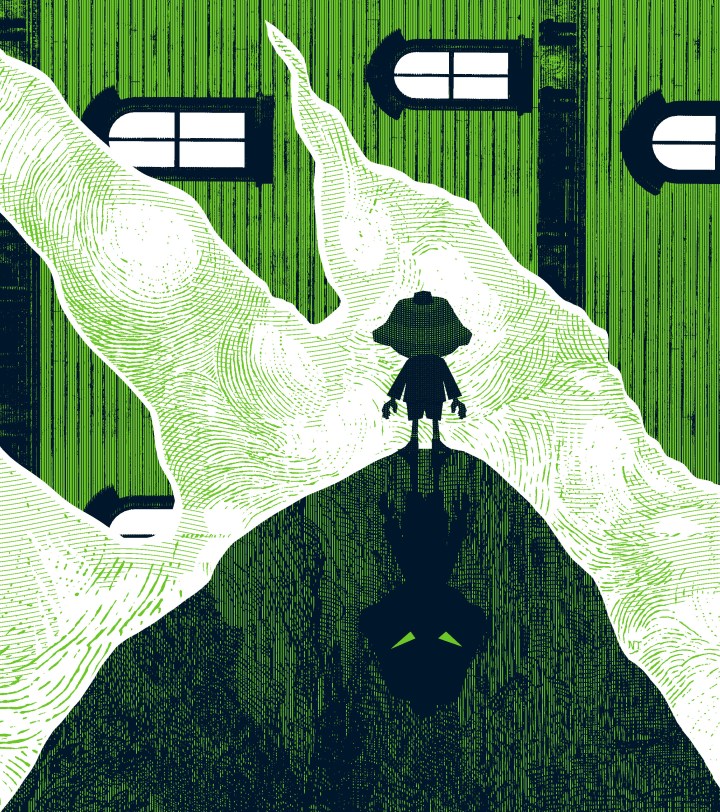
Will:  The two-column layout was originally based on Victorian dime-novels and turn-of the-century newspapers. While traditionally illustrated novels leave full pages open for their art, the two column approach allows for me to have full-page images throughout while adding many small inset illustrations into the text, creating a unique look. 

5. Will, what’s the medium for the illustrations? The images feel like engravings, but after having gone through some kind of digital processing, like a mashup of steampunk Victorian with a dash of Tim Burton and Edward Gorey for good measure.

WillThe illustration is a little bit of everything. But I generally say that it’s collage-based. It’s a mixture of original drawings, some custom 3-D models, and vintage engravings that I’ve collected. It’s a hodgepodge of sources, really, but the goal is to have all of those pieces come together in a uniform way.
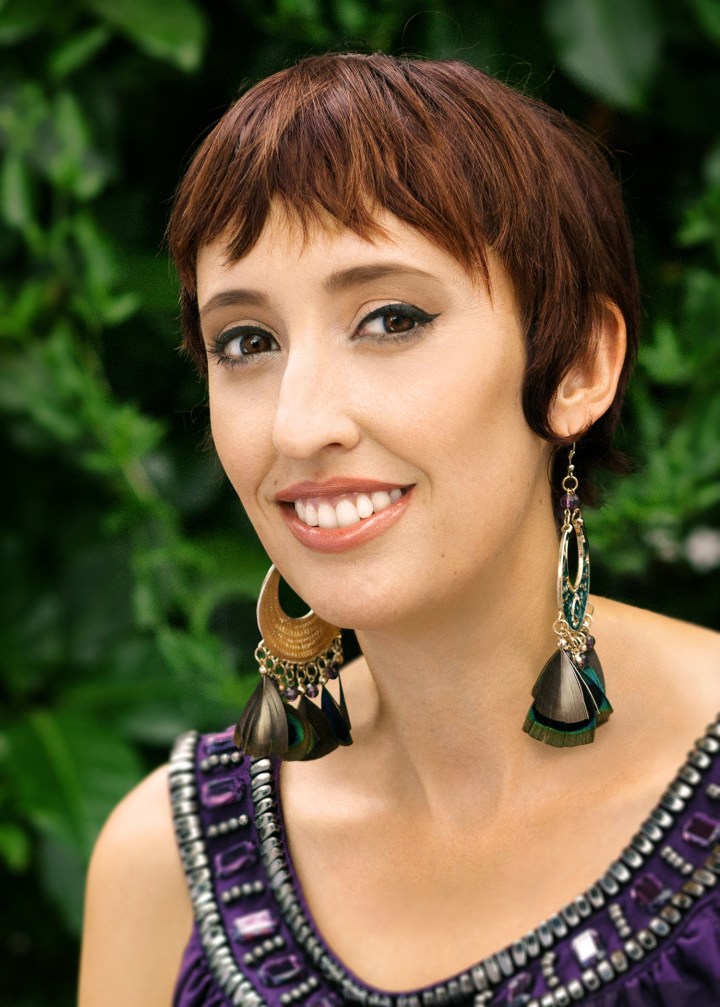
tania-del-rio-author-photo
Credit: Aaron Feave

6. Warren is an odd-looking child, but hard-working and well-meaning. Do you hope readers will connect with him? (Don’t judge a book by its cover sort of thing?)

Tania: I always hope readers will connect with the characters I write, because otherwise they won’t be invested in the story. I see a bit of myself in Warren, and I hope my writing feels like it’s coming from an authentic place. When I was his age, I was a bit of an ugly duckling, and got bullied quite a bit. Despite that, I tried really hard to make friends and do well in school and I took pride in areas of my life that I excelled at.

Will: As a book cover designer, I can vouch for that “don’t judge a book by it’s cover.” thing. Everyone goes through an awkward phase, and hopefully Warren is no different. But I think the hope is that people see past that, and just like Warren for who he is. Tania, Jason (our publisher), and I often speak about how Warren is a cute lad to us now. I think as people live out these adventures with him, that eventually they won’t even think twice about his appearance.

7. Bunion, Sketchy, Mr. Friggs, even Beatrice–how did you come up with the names?

Tania: Some of the characters have been around for so long I can’t even remember! Will came up with some of the names, and I came up with some others. I’ve always been inspired by Roald Dahl’s books and the fantastic names of his characters: Trunchbull, Wormwood, Bogtrotter. I wanted to evoke some of that feeling when brainstorming names for the odd characters in the Warren universe.

Will I do have a bit of a particular sense when it comes to names. For me it often becomes a visual thing. How does this name look when typed out…or how does it look when it’s set in giant lettering, and being screamed out in a word balloon?

WillPicSeattle2015-will (1 of 1)B.jpg
credit: Rich Dachtera

8. What do you hope kids take away from the Warren books?

Tania: I just want them to be entertained, and to leave them wanting more! I’m a big advocate for young readers, especially in an age when we have so many digital distractions. I don’t write to “teach” kids or preach to them. I just want them to have a great time reading, and to feel like they’ve stepped into another world when they open my books. Warren has been touted as a good book for reluctant readers, thanks to the great visuals, and nothing makes me happier than hearing from parents who tell me their kids are reading Warren for the second or third time!

Will: Entertainment, and hopefully inspiration. I drew pretty much every day of my life growing up, and if we can inspire students to make that leap and draw their own comics, or write their own short story, it feels like it’s a huge win. Tania and I have been busy doing school tours for book one, and more are scheduled for the second book, and there isn’t much better in life than talking to 200 kids about being creative for a living, and answering their questions about story-telling, magic, and monsters!
barb-warren-whispering-woods-p63

9. What do you think about danger in children’s literature? Can there be too much menace? Not enough?

Tania: I think kids can handle a lot more than we give them credit for. I mentioned Roald Dahl earlier. He had some really dark themes in some of his books. But they thrilled me as a child, and they stuck with me over the years. The same is true of Hayao Miyazaki’s films, which are also a big influence in my work. In this day and age, especially, I don’t see the point of trying to hide the dangers that exist in the world from kids. Better to give them stories where they can face, and triumph, over those threats in a safe and imaginative way. Of course, it’s always up to parents to decide what their children are ready to be exposed to, but as an author, I choose not to avoid darkness in my work.

Will: I think every kid is very different. We’ve had everyone from elementary school kids to senior citizens read Warren and love it. Every once and while I’ll hear that it was too scary for a certain reader, I think the imagery probably adds to some of that intensity, but the goal is always to hopefully leave Warren in a better place at the end of each book than he was at the beginning of it, and I think if kids go into it knowing that, it makes the experience a little less concerning.

10. What were you two like as kids?

Tania: I was extremely shy, and a constant daydreamer. I was also voracious reader, but when I wasn’t reading you could find me busy writing stories or drawing. I used to get in trouble for doodling too much during class, and I tried to incorporate storytelling into every homework assignment I got. As for my hobbies, I was obsessed with comic books, Super Nintendo, and Disney animation. I didn’t get outside too much!

Will: I grew up in Racine, Wisconsin, and was the “artsy” kid who was raised by two artist parents. I loved comics and yard sales (and actually, I still do). I guess some things never change!
barb-warren-whispering-woods-p99

11. What kinds of books did you read growing up? What kind of comics did you read?

Tania: As I mentioned, I loved Roald Dahl, but I also read a lot of fantasy and sci-fi – The Dragonriders of Pern and Dune series were favorites of mine. I also loved historical fiction about ancient civilizations. I’m grateful that my parents were heavy readers themselves, and so there were always books aplenty to be found in the house. I’m also grateful they never tried to stop me from reading whatever I wanted to, even if it wasn’t entirely “age appropriate”! As for comics, I was crazy about ElfQuest, X-men, and Sonic the Hedgehog.

Will: I read mostly comics when I was a kid. I used to go to the local pharmacy and stare at the spinner rack, checking out the week’s newest comics. I didn’t get into “real” books until a bit later when I read some of Ray Bradbury’s books, which opened the doorway for me into literature.

12. Will and Tania, are there any things you find hard to illustrate?

Tania: When drawing comics I pretty much hate drawing anything that isn’t a character. I’m not a fan of backgrounds, and I really find drawing cars and other machinery really difficult. But just because I don’t like it doesn’t mean I don’t still have to do it if the story calls for it!

Will: I don’t hate drawing anything in particular, but there are certainly more time-consuming elements of art. Hands and fingers are always a bit of a time-drain!

13. Will, as the former art director at HarperCollins, how did you make the leap from cover design to children’s book illustration? (Is there a leap?)

Will: Well, it wasn’t exactly intentional… I worked at HarperCollins straight out of college, and worked my way up to be the art director. I worked with and designed covers for some amazing authors, like Michael Crichton, Michael Chabon, and Christopher Moore. After HarperCollins, I moved westward to take a job as the art director of JibJab, an art + animation studio based in Venice, CA. I continued to design freelance book covers, and a friend of mine at Harper became the new art director at Quirk Books. He suggested to [Quirk publisher] Jason Rekulak that they should try to do a project with me. That introduction spun into two postcard book projects, and the Warren the 13th series, and I couldn’t be happier to call Quirk home.

14. Will and Tania: You took the first Warren on the road to middle schools around the country, and I understand you plan on doing that again. Can you tell me what your presentation is like? What kinds of questions do kids ask you?

Tania: We’ve had a great experience speaking to middle school kids. We try to keep our presentation entertaining with a lot of visuals and humor. We start with a keynote presentation introducing ourselves and some of the art we made when we were in middle school, and we talk about what we do now. We introduce the world of Warren the 13th and the main characters, and then I read a portion of the book out loud. To cap it off, Will shows the kids the long and painfully arduous process of designing the book cover, which always gets a laugh.

The Q and A at the end is one of my favorite parts. A lot of the kids want to know where we came up with our ideas, and why Warren looks the way he does. Often, they want to know what the “All-Seeing Eye” is. Of course, we can’t give anything anyway, but we encourage them to read the book and solve the riddles to find out.

Will: Tania covered most of the main points, but I’ll add that the whole tour was exhilarating, and exhausting, but so very rewarding to to speak directly to the students. Walking into these schools where the kids had created original drawings of the characters on poster-board hanging all around the school nearly melted my heart! It is so much fun. And then I go home and sleep for a week straight!
barb-warren-whispering-woods-p49

15. What else would you like our readers to know about you and the Warren books?

Tania: I want readers to know that we have a lot of ideas for future books in the Warren series, so we hope we’ll have the chance to write even more adventures for them. I also love hearing from readers and I do my best to respond.

My address is: P.O BOX 70801 Pasadena, CA 91117 I can also be reached at taniadelrioauthor@gmail.com, and on twitter @taniadelrio.

American Library Association Announces Award Winners

‘Tis the season for award ceremonies, and on Monday the American Library Association (ALA) announced the top books for children and young adults at its Midwinter Meeting, held this year in Atlanta, Georgia. We reported on Tuesday that Kelly Barnhill took top honors with the Newbery; read who else was recognized for their contributions to children’s literature over on the Fine Books Blog.

Something for Everyone

The Borrowers Collection, by Mary Norton, illustrated by Beth and Joe Krush; HMHCo, $24.99, 1004 pages, ages 8-11. 

The charming adventures of the miniature Clock family have captivated readers since the Eisenhower era, and this hefty volume presents five fantasy-filled adventures. The first story won the Carnegie medal in 1952, and today The Borrowers remains as magical and rewarding as ever. A captivating gift to share with first-timers and lifelong Borrowers fans.

Muddle & Mo, by Nikki Slade Robinson; Clarion Books, $14.99, 32 pages, ages 0-3. (available February 21, 2017)

muddle.JPG

Originally published in New Zealand,this cuddly picture book by Nikki Slade Robinson  lands stateside in less than a month, and it’s worth putting on your wish list; this adorable story about a goat and a duck exploring what makes them different subtly teaches important life lessons like kindness, patience, and love.

see.JPG

Did You Ever See? by Joanna Walsh; Tate, $16.95, 32 pages, ages 2-5.

Kids wonder about everything–why the sky is blue, what the smallest living creature is, and even what the inner workings of a television look like. Author-illustrator Joanna Walsh examines the world from a youngster’s point of view, and her oversized images of big eyes staring out at the world in bold stamps of color encourage imaginative exploration. Walsh’s jaunty text nicely coordinates with the retro-jam feel of the illustrations. Art lovers of all ages will find something to enjoy here.

Ed Emberley Retrospective

Read the story on Friday at the Fine Books & Collections blog! (Image used with permission from Worcester Art Museum.)

Holiday Gift Guide

It’s gift-giving season, and there’s not a moment to lose! We present a rundown of the year’s best gifts for children from 1 to 92.

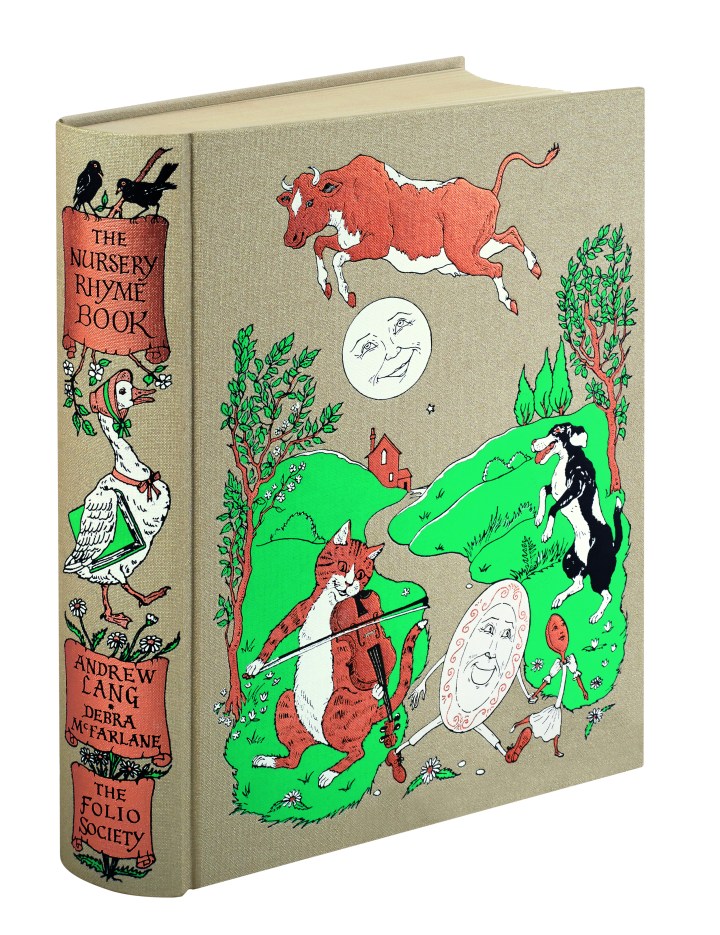
The Nursery Rhyme Book, by Andrew Lang; The Folio Society, $59.95, 280 pages, all ages. 

NRB_S_01.jpg

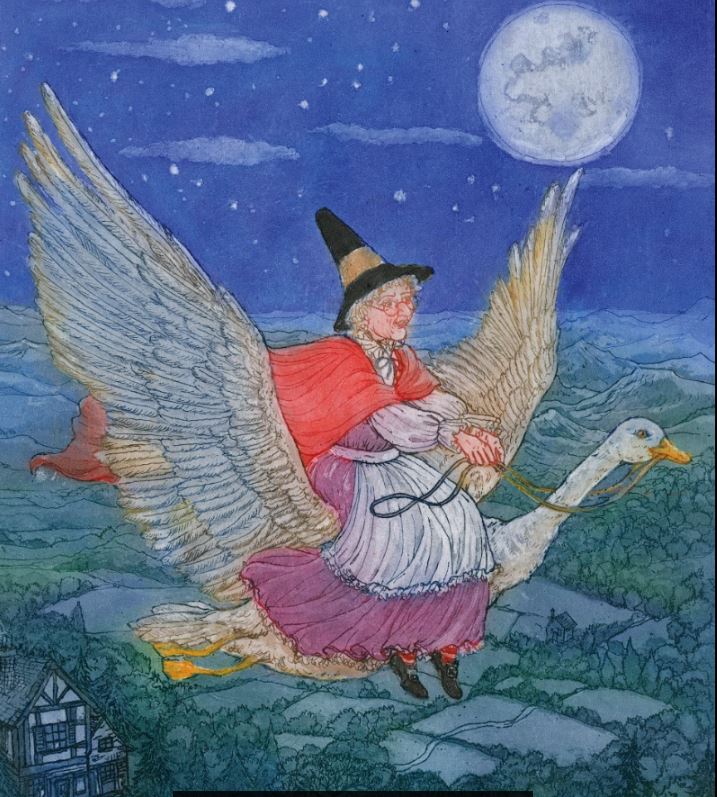
Acclaimed Scottish folklorist Andrew Lang (1844-1912) scoured the world of children’s literature to compile volumes of stories, and this charming, thematically-organized collection of over 300 nursery rhymes includes well-known ditties like “Hickory, Dickory, Dock” and “Jack and Jill,” as well as lesser-known rhymes like “Ring the Bell” and “Old Betty Blue.”  Introduced by award-winning children’s book author Michael Rosen and accompanied by over 100 black and white illustrations by L. Leslie Brooke and six color paintings by Debra McFarlane, The Nursery Rhyme Book is a beautiful gift fit to stand the test of time.

*N.B.:Folio titles are only available through the Folio Society. Order early to ensure on-time holiday delivery.

goose1
The Nursery Rhyme Book by Andrew Lang. Illustrated by Debra McFarlane and L. Leslie Brooke. Copyright 2016 Debra McFarlane. Reproduced with permission from The Folio Society.

9780763683269

9780763683269-int-1
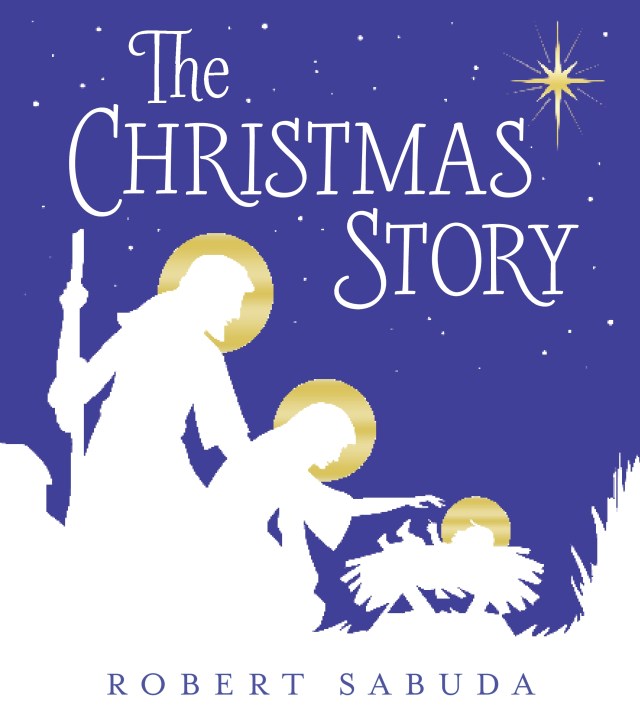
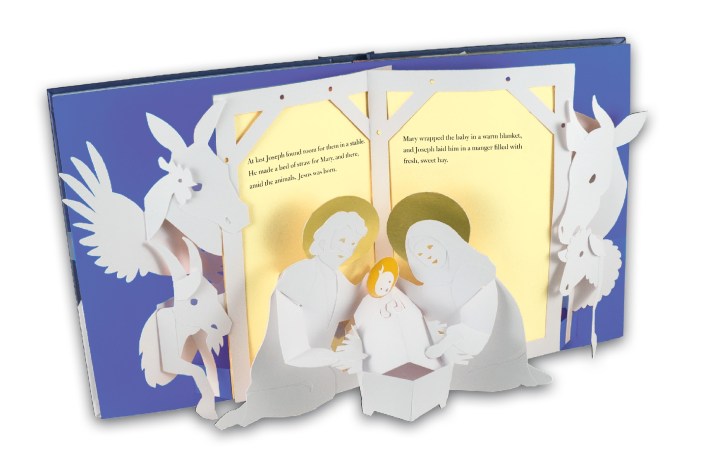
The Christmas Story.  Copyright 2016 by Robert Sabuda. Reproduced by permission of Candlewick Press, Somerville, MA.

The Christmas Story, by Robert Sabuda; Candlewick Press, $35.00, 12 pages, all ages.

The birth story of Christ is told in six deceptively simple pop-ups rendered in stark white and gold, and though this book is delicate–the manger scene is a remarkable feat of construction–The Christmas Story would make a magnificent present to those celebrating the holiday. Sabuda gave Hanukah a similar treatment in 2011 when he and poet Michael Rosen explored the 2,000 year-old Festival of Lights.

The Christmas Boot, by Lisa Wheeler, illustrated by Jerry Pinkney; Dial Books, $17.99, 32 pages, ages 3-7.

the-christmas-boot

A version of this book was published ten years ago (same author and illustrator) and it’s been updated for 2016. Caldecott Medal winner Jerry Pinkney’s masterful illustrations are a perfect accompaniment to Wheeler’s story about a lonely but warm-hearted woman whose generosity earns the admiration of a certain red-dressed sleigh driver.

boot
The Christmas Boot. Image Copyright 2016 Jerry Pinkney. Reproduced with permission from the publisher. 

The Complete Adventures of Curious George: 75th Anniversary Edition, by Margret and H.A. Rey; Houghton Mifflin Harcourt; $34.99, 432 pages, ages 2-8.

curious-g

At seventy-five, George is still a curious little monkey, and this banana-yellow hardbound volume with thick red spine will quickly settle into nightly bedtime rotation. In addition to the seven original tales, the book comes with a free audiobook code to listen to actor John Krasinski read the stories aloud. A lovely gift for adventurous grandchildren everywhere.

Layout 1

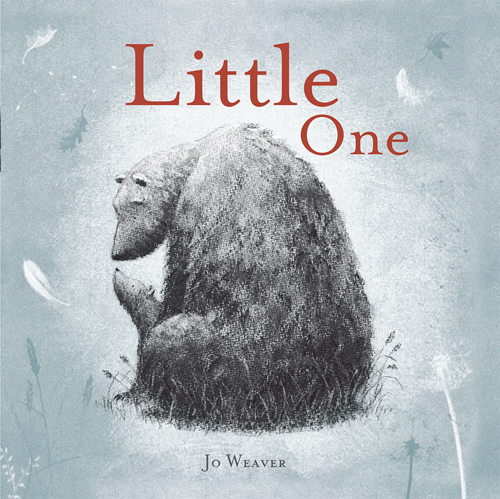
BEAR THAT WAS
Little One, by Jo Weaver. Copyright 2016 Jo Weaver. Reproduced with permission from the publisher.
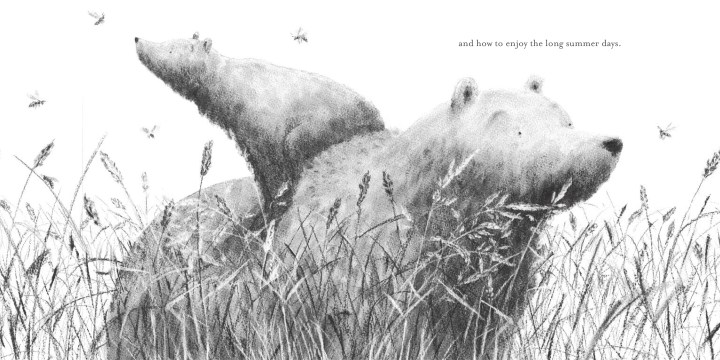
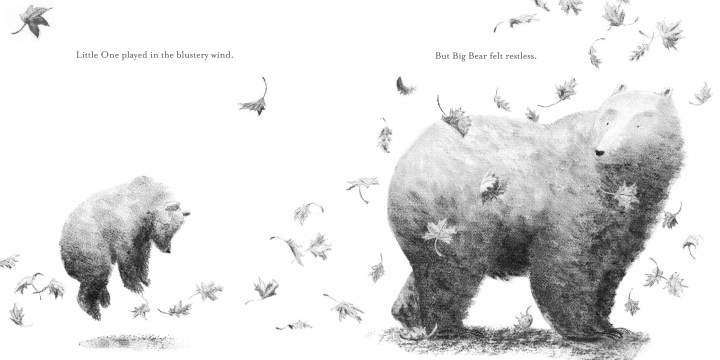
BEAR THAT WAS
Little One, by Jo Weaver. Copyright 2016 Jo Weaver. Reproduced with permission from the publisher.

Little One, by Jo Weaver; Peachtree Publishers, $16.95, 32 pages, ages 2-6. 

Debut picture book author-illustrator Jo Weaver hits it out of the park with this lovely examination of the pull between a mother’s love and a child’s need to develop independence. Simple, singing text accompanied by Weaver’s soft black and white pencil illustrations highlight the beauty in nature and in family bonds. A perfect read-aloud while snuggling on a cold winter’s night.

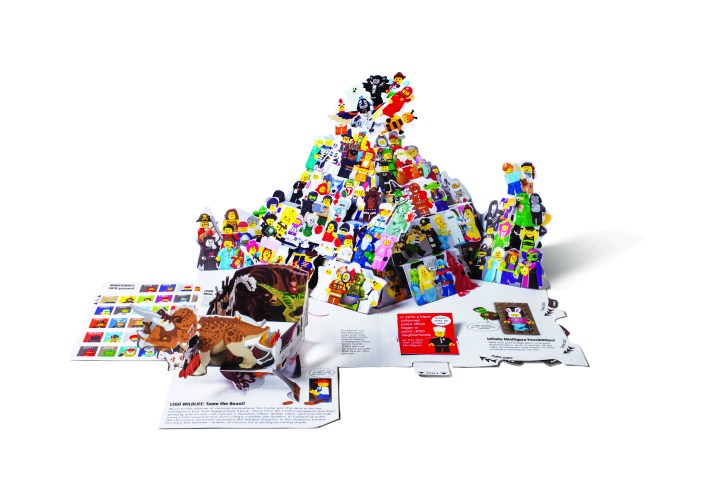
Lego Pop-Up: A Journey Through the LEGO Universe, by Matthew Reinhart; Scholastic, $29.99, 10 pages, ages 7-10. 

Paper engineer Matthew Reinhart takes readers on a tour through the LEGO galaxy in this bright and bold pop-up book. Castles, dinosaurs, and ninjas all leap from the pages accompanied by short bursts of text. A must for LEGO fans of all ages.

legopopup_cover

lego-interior1
Lego Pop-Up, copyright 2016 Matthew Reinhart. Reproduced with permission from Scholastic.

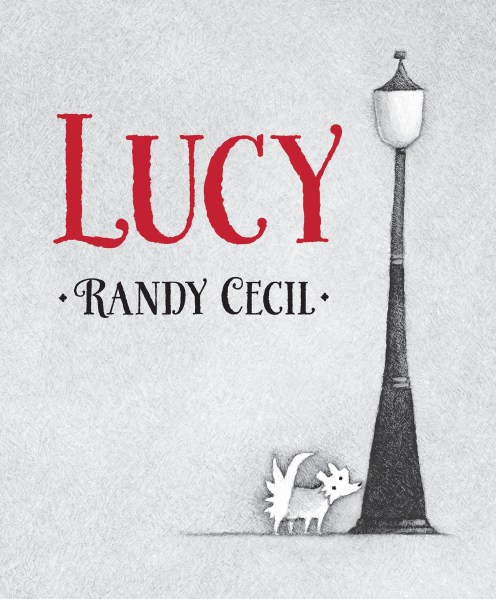
Lucy, by Randy Cecil

9780763668082-int-2
LUCY. Copyright 2016 by Randy Cecil. Reproduced by permission of Candlewick Press, Somerville, MA. 

Lucy, by Randy Cecil; Candlewick Press, $19.99, 144 pages, ages 4-8.

Lucy is a homeless dog living on the streets of Bloomville, and every morning she trots to an apartment building where she waits on the stoop for little Eleanor to drop a piece of string from her window to play with the pup. Meanwhile, Eleanor’s father, a juggler, heads off to work, where he never makes it to the end of a show without a hook prematurely pulling him under the curtains. And so the stage is set for this charming tale in four acts that chronicles how the lives of these three characters intersect. Each “act” reveals slight derivations in the narrative’s internal repetition, encouraging readers to be diligent about noticing details. Randy Cecil’s round black and while oil illustrations give the impression of watching an old-time film through a lens. Weighing in at a surprising 144 pages, this picture book targets five to eight year olds; a group often recently weaned from big-format children’s picture books and anxious to move into short chapter books and graphic novels–in short, a demographic that doesn’t want baby books but still enjoys full-page illustration.

Cecil’s smart, sensitively crafted picture book hits all the right marks. 

Election Day Quick Picks

So many wonderful titles appear in the fall and winter months that it’s hard to keep up with all of them. To wit, here are four fantastic titles sure to brighten your day, no matter who wins at the ballot box:

image

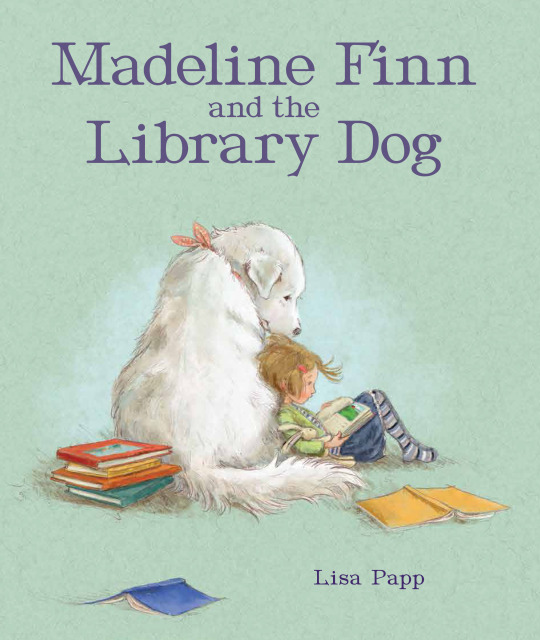
Madeline Finn and the Library Dog, by Lisa Papp; Peachtree Publishers, $16.95, 32 pages, ages 4-7 (October 2016).

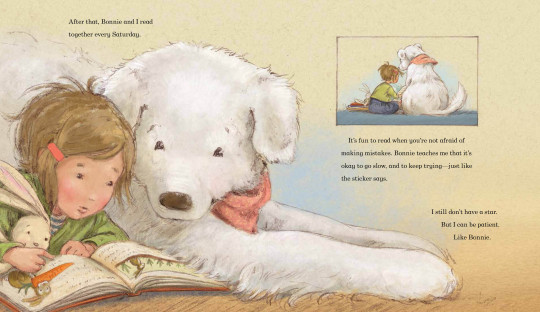
Reluctant readers, rejoice: Madeline Finn hates to read, too. That is, until she meets Bonnie, a docile, patient library dog whose calm, quiet presence encourages the young girl to keep on trying, despite making mistakes. After all, practice makes progress. Award-winning author-illustrator Lisa Papp makes a warm and furry case for canine companions as literary sidekicks in this fun and uplifting tale.

image

(Copyright 2016 Lisa Papp. Image courtesy of Peachtree publishers.)

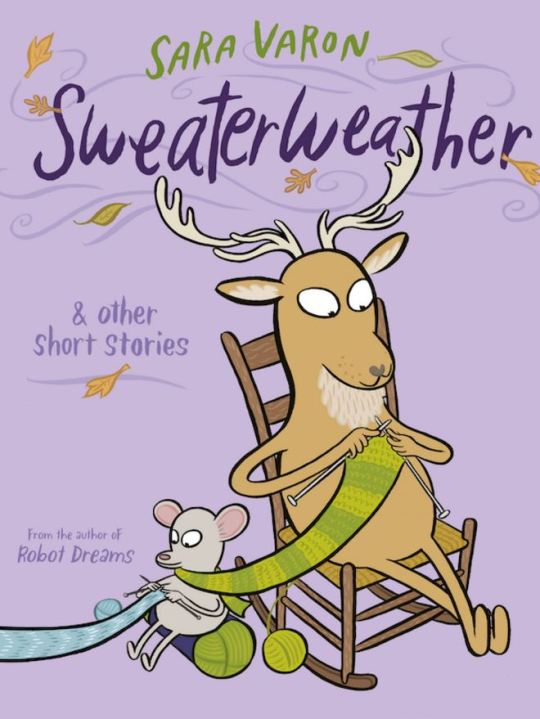
Sweaterweather and Other Short Stories, by Sara Varon; First Second Books, $19.99, 128 pages, ages 8-12 (February 2016).

image

Sara Varon is something of a cult figure for the pre-teen set: her offbeat cartoons and graphic novels are deceptively clever and engaging. Fans will find much to enjoy in this re-issue from 2003 of seventeen illustrated essays exploring the creative process, short stories, and, of course, comics, in which cats, ducks, and elephants share real estate in Brooklyn alongside their human friends. Updated with Varon’s notes for a new generation.

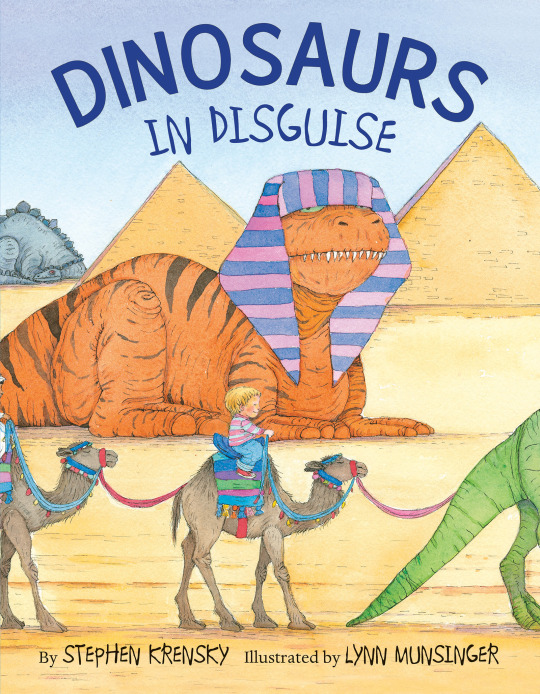
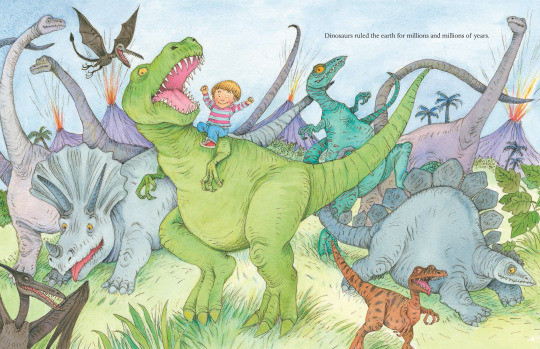
Dinosaurs in Disguise, by Stephen Krensky, illustrated by Lynn Munsinger; HMH Books for Young Readers, $17.99, 32 pages, ages 2-5 (October 2016).

image

Veteran author-illustrator duo Stephen Krensky and Lynn Munsinger have teamed up to explore a tantalizing hypothesis: What if the dinosaurs never actually went instinct? A little boy imagines where the giant lizards may have hidden throughout human history, from ancient Egypt to modern times. Expect much laughter with this lovable read-aloud.

image

(Text copyright 2016 Stephen Krensky, art copyright 2016 Lynn Munsinger. Reproduced with permission from HMH Books for Young Readers.) 

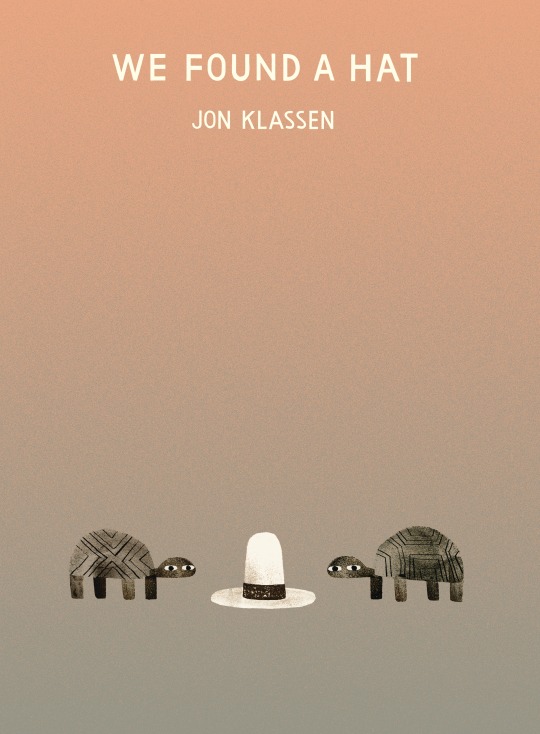
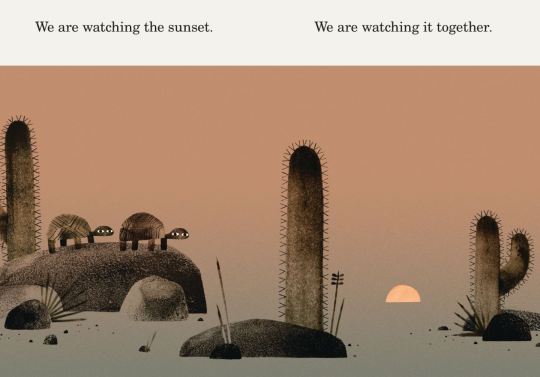
We Found a Hat, by Jon Klassen; Candlewick Press, $17.99, 56 pages, ages 3-7 (October 2016).

image

Two desert-dwelling turtles come upon a hat in the sand that bears a strange resemblance to the one worn by The Man in the Curious George series. Both creatures take turns wearing the topper, and decide the best thing to do is leave it for its owner. But will they? This is a Klassen book, so the resolution to the great moral conundrum plays out with delightful poker-faced quirkiness. In this finale to the Hat series, don’t be discouraged by the length–fifty-six pages seems long, but the pacing is just right for indecisive turtles.

image

(We Found a Hat. Copyright © 2016 by Jon Klassen. Reproduced by permission of the publisher, Candlewick Press, Somerville, MA.)

A Guide to Self-Published Books, Part 2 of 3

@mnbookarts 
@PKColeman 

@finebooks

Our tour of self-published children’s picture books continues this week with Mama Loved to Worry, by Maryann Weidt and illustrated by Rachel Balsaitis.

Mama Loved to Worry, by Maryann Weidt, illustrated by Rachel Balsaitis;
Minnesota Historical Society, $16.95, 32 pages, ages 4-8.

Who’s the publisher?
* The Minnesota Historical Society (MNHS) is a non-profit organization based in St. Paul devoted to preserving and promoting the history and culture of Minnesota. The MNHS was incorporated in 1849 and is one of the largest and most prestigious historical societies in the U.S.

* The MNHS is a member of the American Association of University Presses, a non-profit that provides marketing assistance to over 130 member presses.

Layout:
* The book is 10 x 10, fully illustrated, and 32 pages long—all industry standards for children’s picture books.

* The book has been properly formatted with title pages, front and rear flyleaves, and ISBN information.

* The author and illustrator are properly cited for their contributions.

How’s the book?
* Mama Loved to Worry is a tall tale that takes place on a Midwestern farm—Mama is a “world-class worrywart” and there’s plenty to ruffle her feathers on Daisy Dell Farm. When she’s not knitting, sewing, or cooking, Mama saves Baby Eli from loose pigs, popping corn, and even a twister. Mama’s something of a homespun Wonder Woman—even though she’s clad in blue overalls, there’s something decidedly other-worldly about her ability to hold down the fort. Rich in local colloquialism, the book offers a fanciful glimpse of rural life on a farm.

* Author Maryann Weidt is a Minnesota librarian and won the Minnesota Book Award for her previous children’s book, Daddy Played Music for the Cows. (Unlike the Mom’s Choice Awards, which are pay-to-play awards, the Minnesota Book Awards are presented by the Friends of the St. Paul Library System.) Weidt conducted research about Minnesota farms by visiting the Gale Family Library, part of the Minnesota History Center and the MNHS. 

* Illustrator Rachael Balsaitis is also a Minnesota native and has illustrated other state-themed books like Annie’s Plaid Shirt and Love is Forever. The artwork appears to be rendered in watercolor, though a quick note explaining the medium would be helpful.

* This charming book offers a look at how one woman deals with life’s worries while also offering a glimpse of family farms, a way of life that’s all but disappeared from the American landscape.

Final Thoughts:
* The author and illustrator conducted research at the MNHS to create this book, and their knowledge is demonstrated throughout.

* This book will appeal to Midwesterners proud of their heritage as well as travelers to the state in search of a sweet memento for their children.

* Mama Loved to Worry is one in a series of picture books celebrating the state of Minnesota that have been recently published by MNHS Press, meeting the Society’s overriding mission of educational initiatives geared towards children.

As a side note, many institutions in Minnesota are dedicated to enriching the lives of children through storytelling—the Minnesota Center for Book Arts is another vibrant nonprofit advancing the book as a form of contemporary art and expression, while also teaching and preserving the craft of bookmaking. (See my article “The Young Illuminators” in the Winter 2015 issue of Fine Books & Collections Magazine where I discuss the MCBA and other institutions fighting back against the decline of arts funding for children.)

The final installment of this series will examine a book written by a former model-turned animal activist.

Tweet me your experiences with self-published children’s books @B_Basbanes

(Children’s) BookNotes, June 22, 2016

Summer is officially upon us, but that doesn’t mean we should ditch all our books completely. Here’s a round-up of headlines in the world of children’s picture books this week.

We here at Literary Features Syndicate trumpeted our summer schedule last week: http://bit.ly/28Qq4rq

A pristine first-edition of Alice in Wonderland failed to sell at Christie’s: http://bit.ly/28Qq0Il

 USA Gold pencils announced the winners of the USA Gold Poetry Contest.
Each child won a cash prize of $500, plus $50 in U.S.A. Gold® pencils. Teachers of the winning students also received a $150 American Express® gift card, plus $100 worth of stationery products including U.S.A. Gold® pencils, an electric pencil sharpener and erasers.

Full list of winners here: http://bit.ly/28NbwNv 

(Children’s) BookNotes, Wednesday, June 8, 2016

What do Beatrix Potter, Helen Mirren, QE2, Eric Carle, and Winnie-the-Pooh have in common? They all made news this week in the world of children’s books. Read on! 

 @ericcarle @GuardianBooks 
@GalleyCat 

@penguinkids 

@finebooks

From The Guardian: Eric Carle talks about how children identify with the helpless, small, insignificant caterpillar

From Galley Cat: Disney celebrates Queen Elizabeth II’s birthday with a new Winnie-the-Pooh story.

The BBC reports that Helen Mirren is slated to narrate the audiobook version of Beatrix Potter’s The Tale of Kitty-in-Boots, a story rediscovered after 100 years.