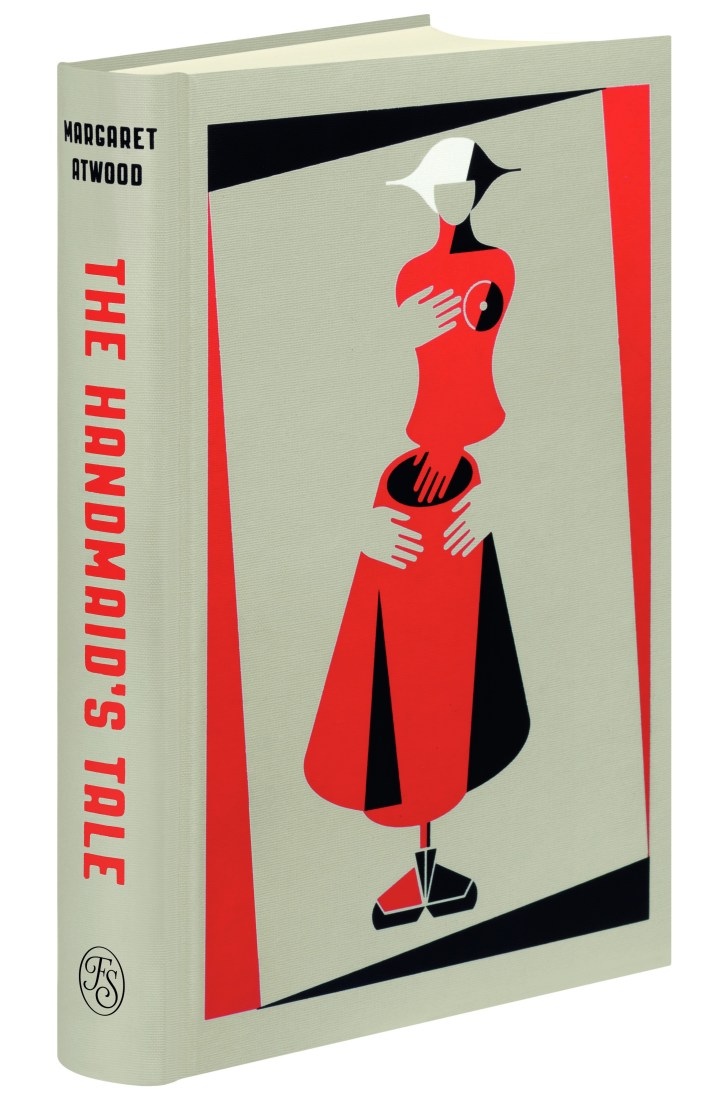
Motherhood means something other than candy and roses in The Handmaid’s Tale. Read about Hulu’s adaptation of Margaret Atwood’s classic as well as the Folio Society’s illustrated edition–on the Fine Books Blog.
Motherhood means something other than candy and roses in The Handmaid’s Tale. Read about Hulu’s adaptation of Margaret Atwood’s classic as well as the Folio Society’s illustrated edition–on the Fine Books Blog.

A Song About Myself, by John Keats, illustrated by Chris Raschka; Candlewick Press, $17.99, 40 pages, ages 7-9.
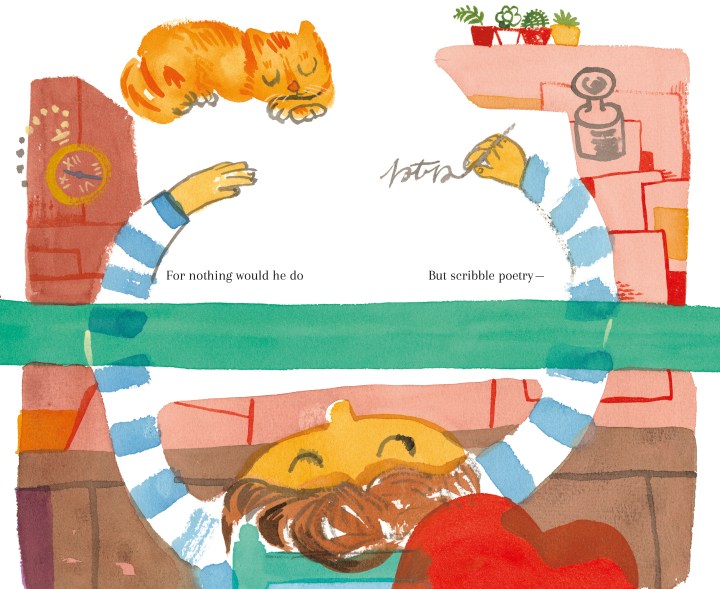
British poet John Keats (1795-1821) published fifty-four poems during his brief life, yet those pieces secured his place among the “second generation” of Romantic poets like Lord Byron and Percy Bysshe. Keats wrote the three-part A Song About Myself while traveling through Scotland and included it in a letter to his fifteen-year old younger sister, Fanny. The whimsical, cheeky verses about Keats as a naughty boy wandering the world are a departure from the poet’s better-known odes and sonnets. Keats describes the world outside of London and reveals that no matter where he is, some things remain the same.
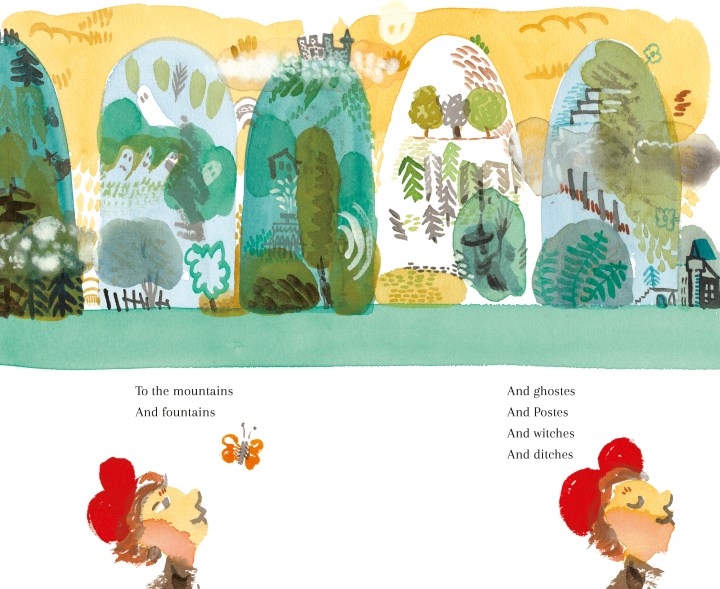
So, how does an early nineteenth-century poem hold up in 2017? Not bad–the rhyming pattern is easy to follow (“There was a naughty Boy/ A naughty boy was he,/ He would not stop at home, / He could not quiet be –“), simple verses that quickly build into a playful ramble through the land to the north of London. Some words, like pother (a fuss) and rivetted (hold close) might trip up readers, but most of it is straightforward enough–this is a poem written by a feisty young man intent on making his reader laugh. Two-time Caldecott Medal winner Chris Raschka’s watercolors flow unencumbered through the pages, abstract yet thoroughly engaging, and expertly match this bizarre little road trip. (Don’t miss the end papers where a condensed map of New York and the British Isles begs close examination.)
A Song About Myself is a wonderful introduction to Keats and proving that some things just don’t go out of style.

Check out this pair of sweet bird books that will have your little chicks peeping with joy:
Jump, Little Wood Ducks, by Marion Dane Bauer, photographs by Stan Tekila, Adventure Publications; $14.95, 32 pages, ages 1-4.
Wood ducks are perfectly named because they nest in the holes of trees. Though safe from certain predators, freshly hatched ducklings can’t fly yet, and getting out of the nest requires a real leap of faith, since some nests can be thirty feet high. Newbery Honor winner Marion Dane Bauer’s latest children’s book imagines the conversation between a mother wood duck and her anxious chicks as they survey their first real challenge. Nature photographer Stan Tekiela’s high-resolution images of wood ducklings are highly entertaining and encourage in-depth examination.

Blue Penguin, by Petr Horacek, Candlewick Press; 15.99, 32 pages, ages 1-6.
Petr Horacek has built a career sketching adorable parrots, geese, puffins, and other creatures to great acclaim–the Washington Post even called him “the thinking tot’s Eric Carle” back in 2006 when Silly Suzy Goose first appeared. Here, Blue Penguin feels just like a regular penguin, but the other birds don’t think he belongs and exclude him. Blue Penguin spends his days alone, singing a beautiful melody, until one day a small penguin asks Blue Penguin to teach him the song. Day by day, the duo become friends, and Horacek’s lovely ode to friendship and inclusion is a reminder that what unites us is more than skin-deep.


Today is St. Patrick’s Day, meaning Irish pubs from Boston to Dublin will be busier than usual and just about everyone will be sporting some sort of good luck charm. However, if the idea of day-drinking and parade-hopping turns you green, there’s still a few ways to let your inner Irish spirit free, even from the comfort of your own library. Check out the bibliophile’s guide to St. Patrick’s Day – The Fine Books Blog

Stephanie Greene’s twenty-year career spans the arc of children’s literature; as the author of over forty early readers, chapter books, and middle-grade novels, and it’s fair to say she’s probably written something that appeals to nearly every young reader. From the Moose & Hildy series to the adventures of Owen Foote, Greene always strikes just the right tone to entice and encourage children to press on and turn the page. Her Princess Posey series has blossomed into eleven volumes, chronicling the adventures of a precocious tutu-wearing first grader as she faces various age-appropriate issues.
Greene’s own childhood was filled with long days spent reading, early tutorials for crafting compelling narratives. Last month, on the eve of the publication of her eleventh Posey book (Princess Posey and the First Grade Play; Putnam) Greene graciously discussed her formative years, the importance of cultivating empathy in children, and her conviction that a child’s imagination must be cultivated and nourished with great books. What follows is a transcript of our e-mail conversation from February 17, 2017.
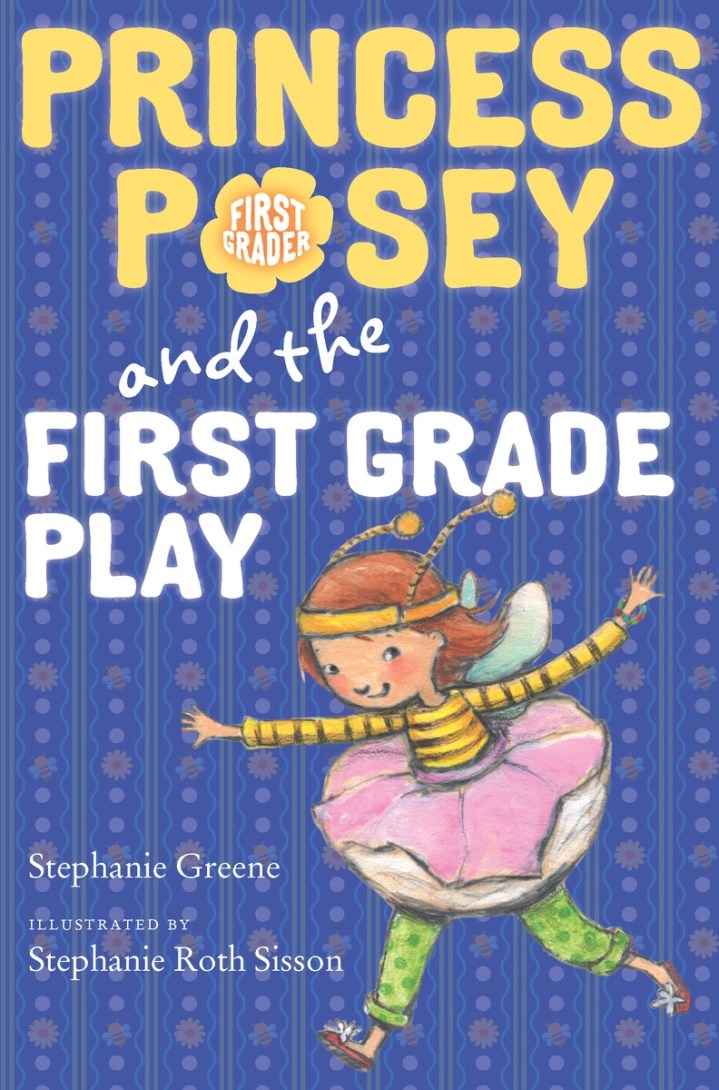
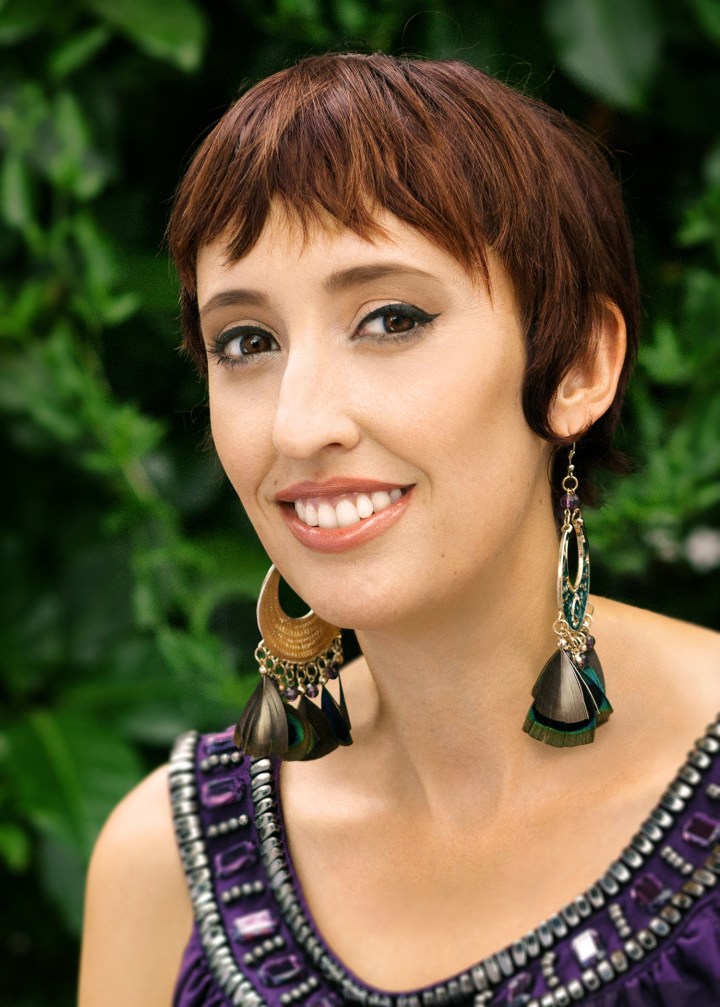
Photo of Stephanie Greene by Amy Stern Photography.

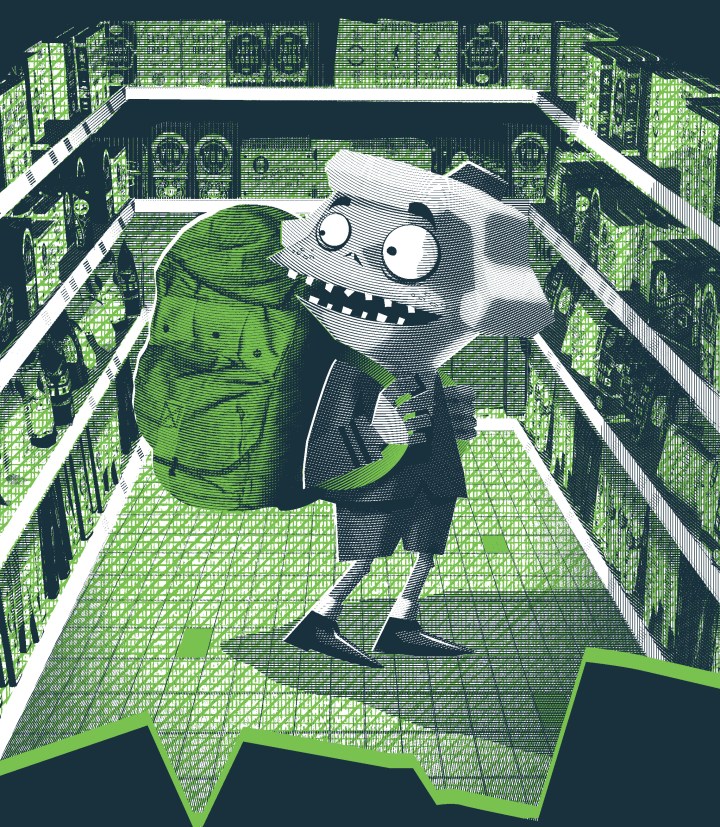
Warren is an unusual protagonist: squat with bulging eyes, he doesn’t make the cutest first impression. He’s the homely heir to a family hotel in a forest full of witches, talking trees, and other fantastical beasts. But what he lacks in looks Warren makes up for in charm and wit, much to the delight of his devoted fanbase. Warren the 13th and the All-Seeing Eye landed on bookshelves in 2015 to great acclaim, and readers have been chomping at the bit for the next installment. The wait is almost over: Warren the 13th and the Whispering Woods (Quirk Books, $16.95, 240 pages, ages 11 and up) goes on on sale March 21.
Warren creators Tania del Rio and Will Staehle are bewitching readers and shaking up the children’s picture-book world by blurring the lines between comics and traditional storytelling.
Del Rio is a comic illustrator at heart: her work has appeared in the Archie series, Sabrina the Teenage Witch, Marvel comics, and manga. While pursuing her BFA at the Minneapolis College of Art and Design, del Rio met Staehle, also an art student there, and they remained friends after graduation. Staehle is considered by many critics to be one of the most exciting young illustrators today, and his work has graced The New York Times and bestselling book covers.
Del Rio and Staehle kindly answered a few questions via e-mail in late January about working with friends, early influences, and why middle-schools are forever pulled towards the macabre. (Make it all the way to the end for how kids can contact del Rio with their own questions!)
1. Warren seems to be follow the Lemony Snicket genre, that is, geared to middle-grade readers and appealing to the quirky, slightly macabre sensibilities of the tween set. How did you come up with the idea for this series?
Tania: Will is probably better suited to answer this question as he originally created the character of Warren back when we both attended the Minneapolis College of Art and Design over 13 years ago. Even back then, the character ignited my imagination, and I began writing an early novel based on Warren and his hotel, and revisited it over the years. A lot has changed plot-wise since the earliest draft, but the creepy Victorian vibe, and the mysterious riddles have been there from the beginning.
Will: As Tania mentioned above, I created Warren during art school many years ago. This was before A series of Unfortunate Events burst onto the scene, so at the time Warren was inspired more by Edward Gorey and Victorian dime novels of yesteryear. Add to that a touch of Poe, some Jules Verne, and healthy dose of Tim Burton, and you have Warren the 13th!
2. Tania, how did you make the leap from cartooning (Archie, Sabrina, Manga, My Poorly Drawn Life) to Warren?
Tania: Even while I was drawing comics, I was also writing them, so it wasn’t actually much of a leap at all to write a middle grade novel. This age group has always been my favorite audience to write for, and I enjoyed having more space to expand on my story using prose as opposed to being confined to speech balloons. I let Will focus on the art and I focused on the writing.
3. What was the collaborative process like?
Tania: We’ve been creative collaborators for many years, and so we’ve formed a really comfortable working relationship with a lot of brainstorming over the phone, and sending ideas back and forth throughout the entire process. Luckily, we both see eye-to-eye on many things, and have a similar aesthetic and sense of humor.
Will: It’s pretty seamless at this point, we tend to fight about the small stuff more than anything–new character’s names, neighboring towns, etc. But more often than not things run pretty smoothly.
4. Tell me why you went with the two-column layout.
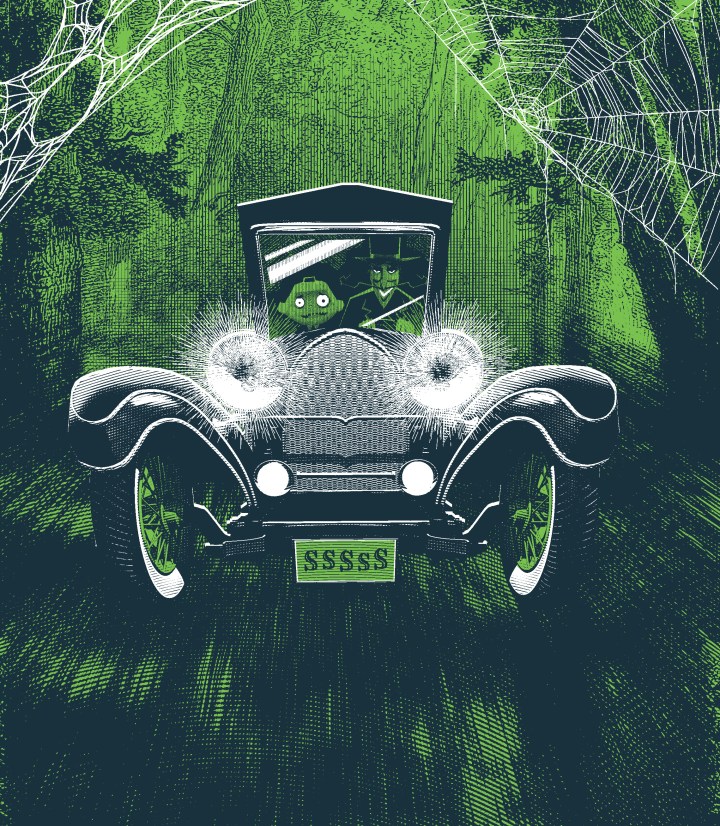
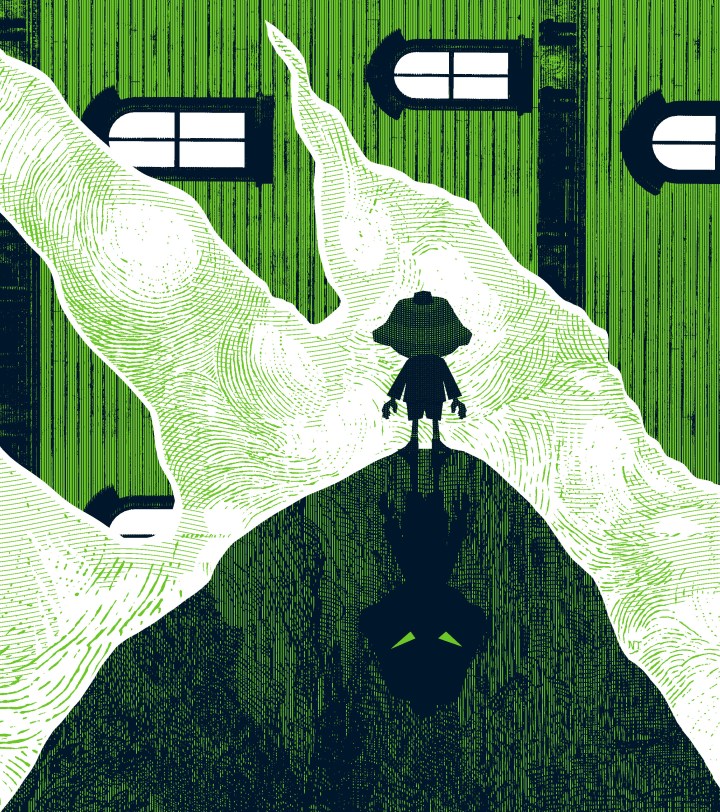
Will: The two-column layout was originally based on Victorian dime-novels and turn-of the-century newspapers. While traditionally illustrated novels leave full pages open for their art, the two column approach allows for me to have full-page images throughout while adding many small inset illustrations into the text, creating a unique look.
5. Will, what’s the medium for the illustrations? The images feel like engravings, but after having gone through some kind of digital processing, like a mashup of steampunk Victorian with a dash of Tim Burton and Edward Gorey for good measure.
Will: The illustration is a little bit of everything. But I generally say that it’s collage-based. It’s a mixture of original drawings, some custom 3-D models, and vintage engravings that I’ve collected. It’s a hodgepodge of sources, really, but the goal is to have all of those pieces come together in a uniform way.
6. Warren is an odd-looking child, but hard-working and well-meaning. Do you hope readers will connect with him? (Don’t judge a book by its cover sort of thing?)
Tania: I always hope readers will connect with the characters I write, because otherwise they won’t be invested in the story. I see a bit of myself in Warren, and I hope my writing feels like it’s coming from an authentic place. When I was his age, I was a bit of an ugly duckling, and got bullied quite a bit. Despite that, I tried really hard to make friends and do well in school and I took pride in areas of my life that I excelled at.
Will: As a book cover designer, I can vouch for that “don’t judge a book by it’s cover.” thing. Everyone goes through an awkward phase, and hopefully Warren is no different. But I think the hope is that people see past that, and just like Warren for who he is. Tania, Jason (our publisher), and I often speak about how Warren is a cute lad to us now. I think as people live out these adventures with him, that eventually they won’t even think twice about his appearance.
7. Bunion, Sketchy, Mr. Friggs, even Beatrice–how did you come up with the names?
Tania: Some of the characters have been around for so long I can’t even remember! Will came up with some of the names, and I came up with some others. I’ve always been inspired by Roald Dahl’s books and the fantastic names of his characters: Trunchbull, Wormwood, Bogtrotter. I wanted to evoke some of that feeling when brainstorming names for the odd characters in the Warren universe.
Will: I do have a bit of a particular sense when it comes to names. For me it often becomes a visual thing. How does this name look when typed out…or how does it look when it’s set in giant lettering, and being screamed out in a word balloon?

8. What do you hope kids take away from the Warren books?
Tania: I just want them to be entertained, and to leave them wanting more! I’m a big advocate for young readers, especially in an age when we have so many digital distractions. I don’t write to “teach” kids or preach to them. I just want them to have a great time reading, and to feel like they’ve stepped into another world when they open my books. Warren has been touted as a good book for reluctant readers, thanks to the great visuals, and nothing makes me happier than hearing from parents who tell me their kids are reading Warren for the second or third time!
Will: Entertainment, and hopefully inspiration. I drew pretty much every day of my life growing up, and if we can inspire students to make that leap and draw their own comics, or write their own short story, it feels like it’s a huge win. Tania and I have been busy doing school tours for book one, and more are scheduled for the second book, and there isn’t much better in life than talking to 200 kids about being creative for a living, and answering their questions about story-telling, magic, and monsters!
9. What do you think about danger in children’s literature? Can there be too much menace? Not enough?
Tania: I think kids can handle a lot more than we give them credit for. I mentioned Roald Dahl earlier. He had some really dark themes in some of his books. But they thrilled me as a child, and they stuck with me over the years. The same is true of Hayao Miyazaki’s films, which are also a big influence in my work. In this day and age, especially, I don’t see the point of trying to hide the dangers that exist in the world from kids. Better to give them stories where they can face, and triumph, over those threats in a safe and imaginative way. Of course, it’s always up to parents to decide what their children are ready to be exposed to, but as an author, I choose not to avoid darkness in my work.
Will: I think every kid is very different. We’ve had everyone from elementary school kids to senior citizens read Warren and love it. Every once and while I’ll hear that it was too scary for a certain reader, I think the imagery probably adds to some of that intensity, but the goal is always to hopefully leave Warren in a better place at the end of each book than he was at the beginning of it, and I think if kids go into it knowing that, it makes the experience a little less concerning.
10. What were you two like as kids?
Tania: I was extremely shy, and a constant daydreamer. I was also voracious reader, but when I wasn’t reading you could find me busy writing stories or drawing. I used to get in trouble for doodling too much during class, and I tried to incorporate storytelling into every homework assignment I got. As for my hobbies, I was obsessed with comic books, Super Nintendo, and Disney animation. I didn’t get outside too much!
Will: I grew up in Racine, Wisconsin, and was the “artsy” kid who was raised by two artist parents. I loved comics and yard sales (and actually, I still do). I guess some things never change!
11. What kinds of books did you read growing up? What kind of comics did you read?
Tania: As I mentioned, I loved Roald Dahl, but I also read a lot of fantasy and sci-fi – The Dragonriders of Pern and Dune series were favorites of mine. I also loved historical fiction about ancient civilizations. I’m grateful that my parents were heavy readers themselves, and so there were always books aplenty to be found in the house. I’m also grateful they never tried to stop me from reading whatever I wanted to, even if it wasn’t entirely “age appropriate”! As for comics, I was crazy about ElfQuest, X-men, and Sonic the Hedgehog.
Will: I read mostly comics when I was a kid. I used to go to the local pharmacy and stare at the spinner rack, checking out the week’s newest comics. I didn’t get into “real” books until a bit later when I read some of Ray Bradbury’s books, which opened the doorway for me into literature.
12. Will and Tania, are there any things you find hard to illustrate?
Tania: When drawing comics I pretty much hate drawing anything that isn’t a character. I’m not a fan of backgrounds, and I really find drawing cars and other machinery really difficult. But just because I don’t like it doesn’t mean I don’t still have to do it if the story calls for it!
Will: I don’t hate drawing anything in particular, but there are certainly more time-consuming elements of art. Hands and fingers are always a bit of a time-drain!
13. Will, as the former art director at HarperCollins, how did you make the leap from cover design to children’s book illustration? (Is there a leap?)
Will: Well, it wasn’t exactly intentional… I worked at HarperCollins straight out of college, and worked my way up to be the art director. I worked with and designed covers for some amazing authors, like Michael Crichton, Michael Chabon, and Christopher Moore. After HarperCollins, I moved westward to take a job as the art director of JibJab, an art + animation studio based in Venice, CA. I continued to design freelance book covers, and a friend of mine at Harper became the new art director at Quirk Books. He suggested to [Quirk publisher] Jason Rekulak that they should try to do a project with me. That introduction spun into two postcard book projects, and the Warren the 13th series, and I couldn’t be happier to call Quirk home.
14. Will and Tania: You took the first Warren on the road to middle schools around the country, and I understand you plan on doing that again. Can you tell me what your presentation is like? What kinds of questions do kids ask you?
Tania: We’ve had a great experience speaking to middle school kids. We try to keep our presentation entertaining with a lot of visuals and humor. We start with a keynote presentation introducing ourselves and some of the art we made when we were in middle school, and we talk about what we do now. We introduce the world of Warren the 13th and the main characters, and then I read a portion of the book out loud. To cap it off, Will shows the kids the long and painfully arduous process of designing the book cover, which always gets a laugh.
The Q and A at the end is one of my favorite parts. A lot of the kids want to know where we came up with our ideas, and why Warren looks the way he does. Often, they want to know what the “All-Seeing Eye” is. Of course, we can’t give anything anyway, but we encourage them to read the book and solve the riddles to find out.
Will: Tania covered most of the main points, but I’ll add that the whole tour was exhilarating, and exhausting, but so very rewarding to to speak directly to the students. Walking into these schools where the kids had created original drawings of the characters on poster-board hanging all around the school nearly melted my heart! It is so much fun. And then I go home and sleep for a week straight!
15. What else would you like our readers to know about you and the Warren books?
Tania: I want readers to know that we have a lot of ideas for future books in the Warren series, so we hope we’ll have the chance to write even more adventures for them. I also love hearing from readers and I do my best to respond.
My address is: P.O BOX 70801 Pasadena, CA 91117 I can also be reached at taniadelrioauthor@gmail.com, and on twitter @taniadelrio.

The Singing Bones, by Shaun Tan; Arthur A. Levine, $24.00, 192 pages, ages 14 and up.
Australian artist Shaun Tan has made his name creating surreal, slightly peculiar works of art with the ultimate goal of encouraging dialogue and social engagement–Tan worked on the science-fiction animated film WALL-E, for example–and in The Singing Bones he tackles the Grimm brothers’ literary canon with similar verve. Seventy-five pieces of original art are accompanied by a portion of text from obscure and beloved tales by Jacob and Wilhelm Grimm. Inspired by Inuit and pre-Columbian stone carvings, Tan’s compositions are molded of earthy, unpretentious materials–papier-mâché and air-drying clay adorned with acrylic paint and shoe polish–resulting in art that looks like it has weathered the passage of time.
Many of the selections may not be well known to contemporary readers, at least not in the forms referenced here: in “Mother Trudy” an overly inquisitive young girl is turned into a block of wood and cast upon the hearth by a witch, and Tan’s sculpture depicts a demonic-looking old creature nestled comfortably in front of a recently lit blaze. A wicked stepmother decapitates her stepson in “The Juniper Tree” and the attending artwork is a disturbingly complex rendering of multiple moments that unfold in the narrative. Snow White and her long-forgotten sister Red Rose gleefully traipse on a magical bear in another excerpt. Though summarized in an annotated index, only the basic sketch of each story is provided, encouraging readers to explore the fairy tales separately.
Reigning master of macabre Neil Gaiman and renowned fairy-tale expert Jack Zipes provide thoughtful introductions and commentary on the enduring importance of the Grimm fairy tales for our generation.
The Singing Bones is a powerful examination of the range of human emotion, and how much greater that range can be for children, if adults will allow it. 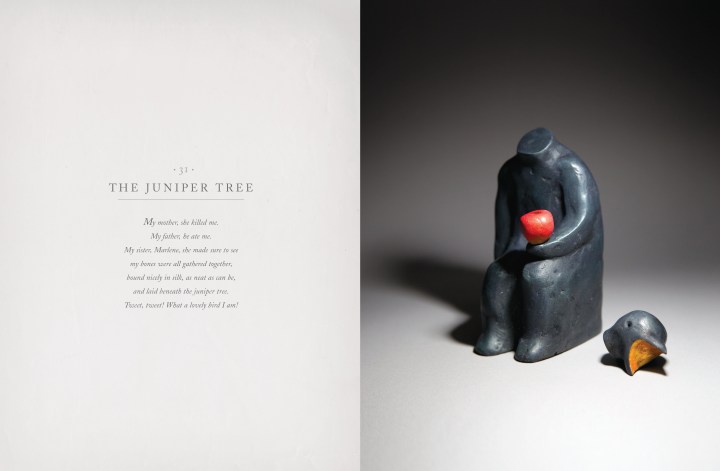


‘Tis the season for award ceremonies, and on Monday the American Library Association (ALA) announced the top books for children and young adults at its Midwinter Meeting, held this year in Atlanta, Georgia. We reported on Tuesday that Kelly Barnhill took top honors with the Newbery; read who else was recognized for their contributions to children’s literature over on the Fine Books Blog.

Hello, World! series author Ashley Evanson is back with This Book is Magic! (Grosset & Dunlap, $14.99 32 pages, ages 0-4) an interactive picture book-board book hybrid for emerging readers. Evanson’s clearly got a knack for getting kids interested in reading and she kindly answered a few of our questions about her craft and the magic of childhood.
Below is an edited transcript of our question and answer session from January 17, 2017.
A couple of years ago my little brother called to ask a few questions about the first Harry Potter book, which I happily answered since I’m a huge fan of the series. The phone calls continued and I decided to read the books along with him so we could call each other every night to chat. Over the next year we read all seven Harry Potter books, Lord of the Rings, and the entire Sherlock Holmes series. I looked forward to our “book club” with great much excitement. These nightly discussions had me constantly thinking about magic, which is why I dedicated my book to my little brother.
I think childhood is its own element of magic, and everything in this book is something I imagined as a child or see my own children imagining.
I would love to create more Hello, World books! But first I’m publishing a companion book for This Book Is Magic.
Everything I do is on Adobe Illustrator.
My approach is pretty primitive. I mean, my rough drafts contain stick figures! The concept always comes first and the art follows, but I only include concepts of things I know I would love to draw. I have inspiration boards of my favorite artists, color palettes, and photographs of the images I’m drawing.
I feel like if I tried to illustrate anything else it would still end up looking like a children’s book illustration. It’s just who I am.
I feel like the most unqualified person to be publishing books so I tell people if I can do it, seriously, anybody can do it!
I’m in the brainstorming phase for the companion book to This Book Is Magic, but it feels a little more like the writer’s block phase! I’ll get there!
My occupation may be an author-illustrator, but my number one job is being a mother. There is nothing more magical or important than childhood and raising your little ones.
 Literary Features Syndicate